
Integrative Dry Needling at Carolyn Dolan Physical Therapy is a modern, evidence-informed approach to pain relief that focuses on the nervous system rather than isolated muscles alone. Also known as neurologic dry needling or NDN, this method represents the evolution of traditional dry needling by addressing how pain is processed, maintained, and amplified within the body.
Rather than viewing pain as a single tight muscle or trigger point, neurologic dry needling recognizes pain as a system-level experience influenced by nerves, circulation, inflammation, and muscle guarding. This approach allows treatment to be tailored to acute pain, sub-acute pain, and long-standing pain using precise, thoughtful techniques designed to support healing while improving patient comfort and outcomes.
Myofascial trigger points are commonly described as tight, sensitive areas within muscle tissue that can cause local pain or refer pain to other areas of the body. Traditional dry needling often focuses on inserting a needle directly into these trigger points to elicit a muscle “twitch” response. While this can be helpful in some cases, it does not always address the underlying reason why the trigger point formed or why pain continues to return.
Trigger points often develop in response to underlying nerve irritation, reduced blood flow, inflammation, or prolonged muscle guarding. When these factors are not addressed, pain may temporarily improve but frequently returns. Integrative dry needling expands beyond the trigger point itself to address the nervous system drivers that contribute to muscle tension and pain persistence.
Neurologic dry needling is based on both peripheral and central neurologic principles. This means treatment is guided by how nerves function locally, how they interact with the spinal cord, and how the brain processes pain signals. Rather than a “shotgun” approach that relies on repeated twitch responses, NDN uses precise nerve mapping and graded stimulation to support effective pain treatment with less tissue irritation.
By using a peripheral nerve mapping model, neurologic dry needling allows treatment to be delivered at multiple levels:
This broader scope allows care to adapt as pain changes over time and prevents treatment from being limited to a single tissue or location.
The treatment of acute pain often responds well to targeted, local dry needling techniques. When pain is recent and tissue irritation is localized, focused stimulation near the site of discomfort can help reduce muscle guarding, improve circulation, and calm irritated nerves.
However, even in acute pain cases, patient tolerance matters. Traditional dry needling approaches that rely on repeated twitch responses can sometimes create unnecessary soreness or discomfort. Neurologic dry needling allows for varied levels of stimulation, meaning effective pain relief can be achieved with less aggressive dosing. This improves comfort while still supporting tissue healing and nervous system regulation.
Sub-acute pain exists in the space between acute injury and chronic pain. During this stage, tissues may be healing, but the nervous system can remain protective or overly sensitive. Muscle guarding, altered movement patterns, and lingering inflammation often contribute to continued discomfort.
Neurologic dry needling is especially effective during the treatment of sub-acute pain because it addresses both local tissue irritation and the nervous system’s response to injury. By targeting involved nerves and surrounding structures, NDN helps restore normal signaling, reduce inflammation, and improve movement tolerance. This prevents sub-acute pain from progressing into a long-standing condition.
When pain becomes recurrent or chronic, a process known as sensitization of nervous system tissue often develops. Sensitization occurs when the nervous system becomes overly responsive, sending pain signals even when tissue damage is minimal or absent. This can make pain feel unpredictable, widespread, or disproportionate to activity levels.
In cases of long-standing pain, site-specific needling alone is rarely sufficient. Neurologic dry needling expands treatment beyond the original area of discomfort to address peripheral nerve entrapments, areas of inflammation, and central nervous system contributors that help maintain pain.
This approach allows treatment to adapt to the complexity of chronic neuromusculoskeletal conditions, offering pain relief where traditional methods may fall short.
Inflammation plays a major role in pain, stiffness, and delayed healing. Neurogenic inflammation, which originates from irritated or sensitized nerves, can perpetuate muscle guarding and restrict blood flow. Neurologic dry needling supports reducing inflammation by calming nerve activity and improving circulation in affected tissues.
Improved blood flow brings oxygen and nutrients to tissues while supporting waste removal. This environment promotes healing and allows movement-based rehabilitation to progress more comfortably and effectively.
Integrative dry needling is used to support treatment for a wide range of neuromusculoskeletal conditions, including but not limited to:
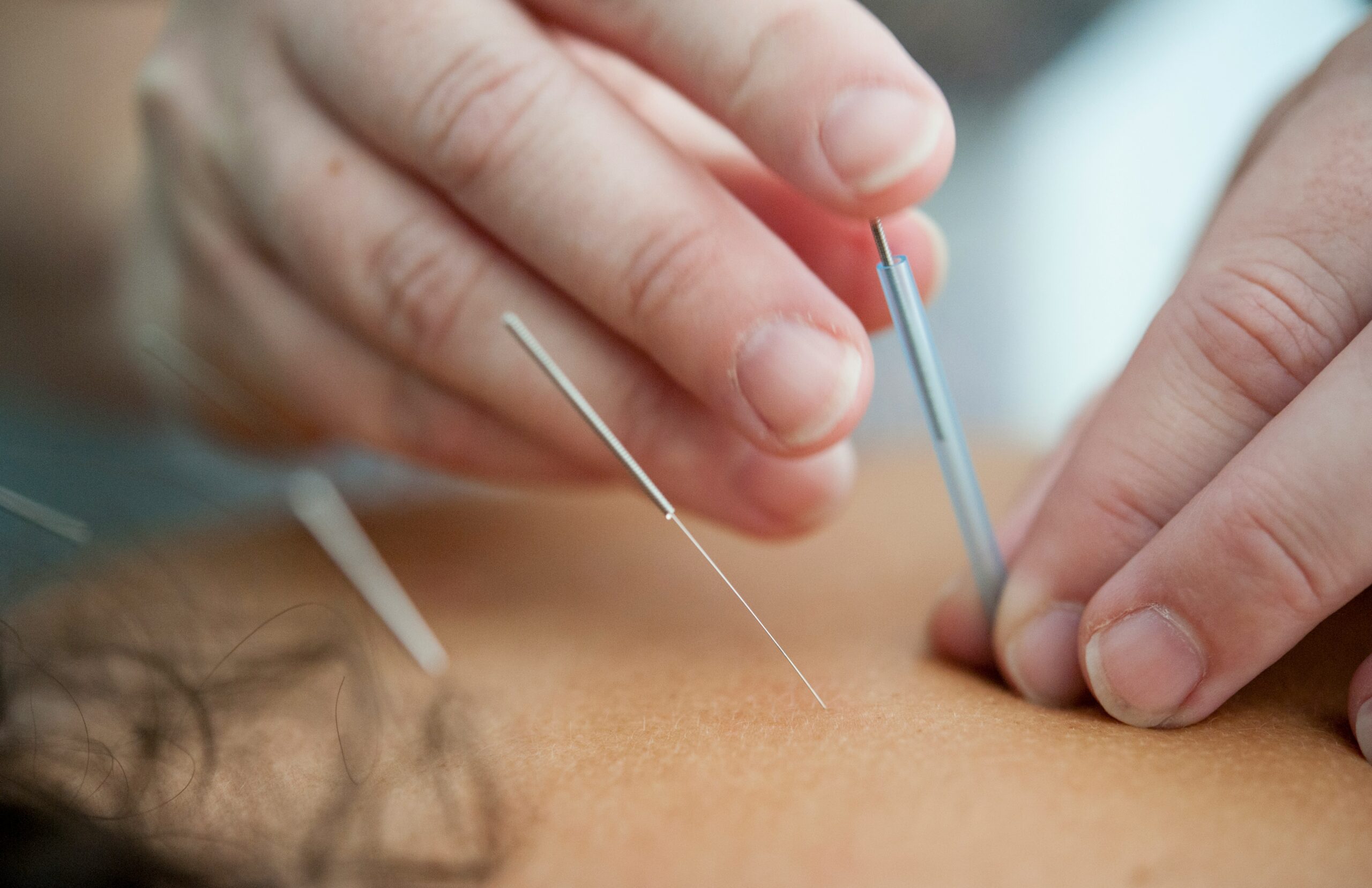
Because neurologic dry needling addresses the nervous system rather than isolated tissues, it can be applied across orthopedic and non-orthopedic pain presentations where inflammation, altered nerve signaling, and muscle guarding are present.
An important component of neurologic dry needling is understanding how sensitized the nervous system has become. In patients with long-standing pain, sensitization often spreads beyond the original injury site. This can be assessed through bedside Quantitative Sensory Testing (QST), which identifies inflamed or sensitized sensory nerves, sometimes referred to as homeostatic points.
The number of positive findings during sensory testing provides insight into the severity of nervous system sensitization. This information helps guide treatment planning by offering an estimate of how many dry needling sessions may be required to reduce systemic inflammation and how long pain relief may last.
When combined with movement assessment, patient history, and clinical findings, neurologic evaluation allows for a more precise and efficient treatment plan tailored to each individual.
At Carolyn Dolan Physical Therapy, integrative dry needling is not used in isolation. It is part of a broader integrative physical therapy approach that includes hands-on treatment, movement retraining, nervous system regulation, and lifestyle support.
Dry needling helps create an environment where movement feels safer and less painful. This allows rehabilitation exercises, posture changes, and activity modifications to be more effective. Over time, patients gain confidence in their bodies and reduce reliance on passive treatments.
Effective pain treatment is not about chasing symptoms. It is about understanding why pain exists and addressing the systems that maintain it. Neurologic dry needling provides a framework for treating pain in a way that is adaptable, precise, and patient-centered.
By supporting nervous system regulation, reducing inflammation, and improving movement tolerance, integrative dry needling helps patients experience meaningful pain relief while building resilience against future flare-ups.
It is especially beneficial for active adults managing long-standing pain while wanting to continue participating in exercise, work, and daily life.
Every person experiences pain differently. Neurologic dry needling honors that complexity by offering a flexible, science-informed approach to care. Treatment is guided by assessment, patient response, and ongoing feedback rather than rigid protocols.
At Carolyn Dolan Physical Therapy, integrative dry needling is delivered with precision, intention, and respect for the body’s ability to heal when properly supported.
Integrative dry needling is available as part of a comprehensive physical therapy plan at Carolyn Dolan Physical Therapy. Appointments are scheduled by request, with care tailored to each patient’s condition, goals, and tolerance.
If pain, inflammation, or nervous system sensitization is limiting your ability to live fully, neurologic dry needling may offer the support your body needs to move forward with confidence and relief.
If pain, inflammation, or nervous system sensitization is limiting your life, request an integrative dry needling visit as part of your physical therapy plan to calm guarding, support circulation, and help movement feel safer again.